Fifteen Days to Dhanteras: The Cheapest Festive Footfall Is Already in Your Database.
Every mall loyalty database has a silent majority: members who enrolled, visited a few times, and stopped. They are known, reachable and already interested, and Diwali is the one moment they were going to shop anyway. The window to reach them closes this week, and most malls are spending the budget on strangers instead.
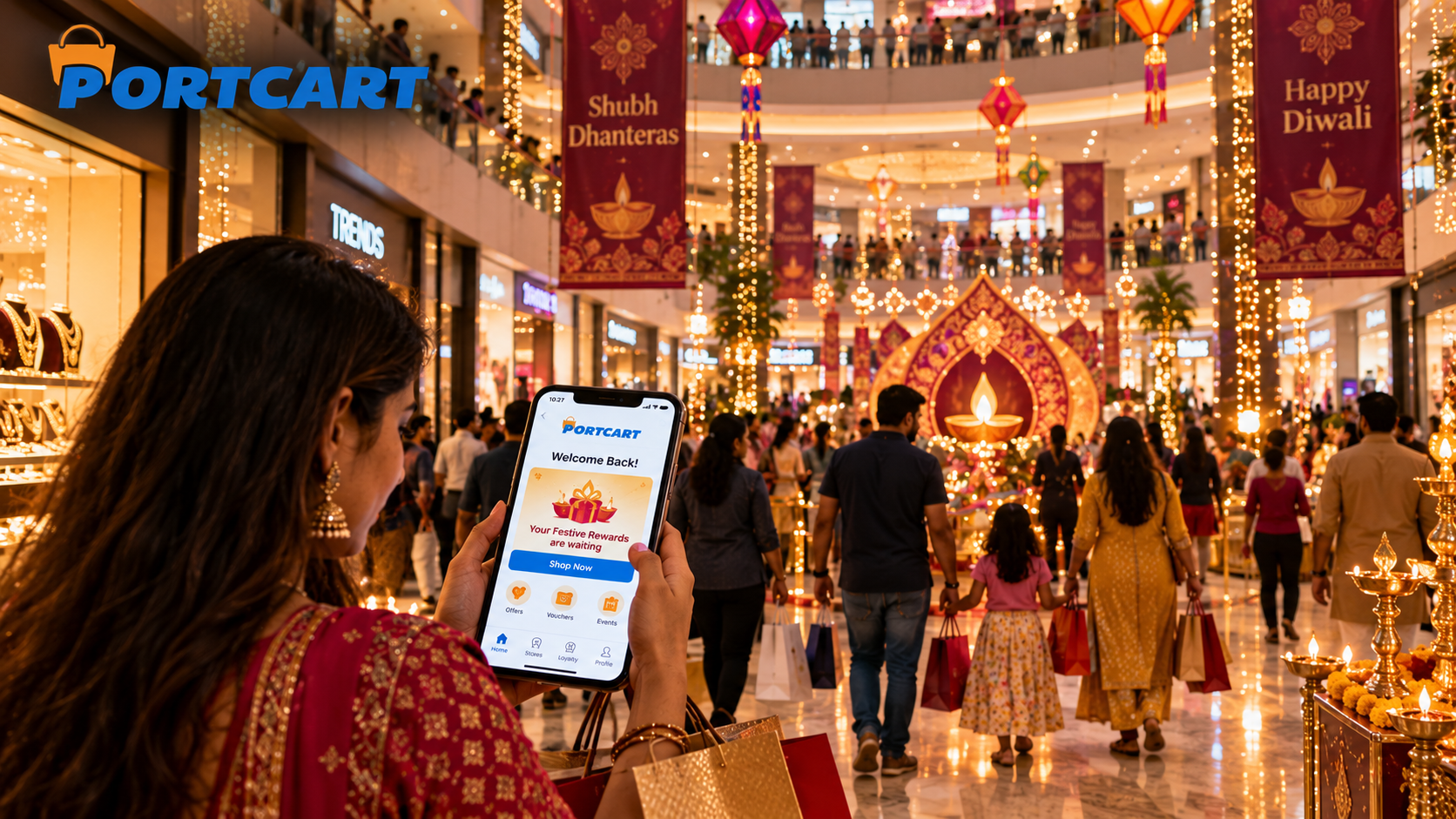
Dhanteras is fifteen days away. Diwali is seventeen. Somewhere in the mall's loyalty database, several thousand people who once cared enough to enrol, and came three or four times, have not been back in six months.
They have not disappeared. They have paused. And in the next fortnight every one of them will decide where to do their festive shopping, whether or not the mall asks.
The mall's Diwali campaign, meanwhile, is built for reach: one message, everyone, plus an acquisition push to enrol strangers. The people already in the database, already consented, already partly convinced, get the same message as everyone else, or none.
A lapsed member is a paused shopper
The word "lapsed" does damage, because it sounds like a verdict. Most of these members did not decide against the mall. Nothing brought them back, which is a different thing, and a fixable one.
Compare the two people the festive budget could be spent on. A stranger has to be found, reached, persuaded to enrol, and then persuaded to visit. A paused member is already found, already reachable, already enrolled, and was persuaded once before. Whatever the mall spends per stranger, the cost of resuming a paused member is a fraction of it, on plain logic, before any figure is attached.
And Diwali removes the one uncertainty that usually makes win-back a gamble. Nobody is being asked to want to shop. They will shop. The only open question is where, and it gets decided in the next fifteen days.
Why the festive campaign misses them
Three things hide the segment.
The programme reports enrolments and points issued, so a member who stopped visiting is invisible in every number the mall looks at. The base is quoted as a total, and the total is fine.
The festive campaign has one message, built to reach. A paused member does not need reach. They need a specific reason to choose this mall over the one they drifted to, and a reminder that they still have something here: points, a tier, a benefit they forgot.
And nobody owns the segment. Acquisition has an owner, the campaign has an owner, the lapsed members belong to no one, so nothing specific is ever sent to them.
The paused-shopper count
Before anything else this week, produce one number: members who have not visited in six months, who gave consent for this kind of message, and who can be reached today.
The consent clause matters and is not a formality. Festive messaging is exactly where consent gets stretched, and the case for treating it as a record rather than a tickbox has been made on this blog already. A win-back message to a member who did not agree to be messaged is not a win-back. It is a complaint waiting to happen.
If the mall can produce the count this afternoon, it can act on it. If producing it takes a week, the window has closed before the message is written, and that is the finding.
Four questions with fifteen days on the clock
- How many members have not visited in six months, and does anyone own that number?
- Of those, how many gave consent for festive messaging, and can that be shown per member?
- What will they receive this week that a stranger will not, and what concrete reason does it give them to return?
- How will the mall know they came back: as visits and redemptions, or as opens?
If all four have answers, the segment is owned and this article owes you nothing. If the first has no answer, the other three cannot be started, and the cheapest festive visits of the year will not be asked for.
What a win-back looks like when it is done properly
- The segment is counted and has an owner before the campaign, not after.
- The message is specific: it names what the member still has here and gives one concrete reason to return for the festive visit. It is not the mass creative with a different subject line.
- Consent is checked per member, and anyone who did not agree is left alone.
- The return is measured as a visit and a redemption, tied to the member, not as an open or a click.
- The December report shows what the programme contributed in the one segment where contribution can actually be shown: people who had stopped, and came back because they were asked.
The offer does not need to be large. It needs to be theirs, and it needs to arrive this week.
Where Portcart fits
Portcart is built to give malls one view of the shopper journey: discovery, engagement and commercial activity in a single measurable line. For a paused member that means the mall can reach the segment with consent respected, and the redemption at the store connects back to the message, so the win-back is measured as people who returned rather than messages that were sent.
The meeting worth having
Put the paused-shopper count on the table in this week's marketing review. If it cannot be produced, that is the meeting.
If it can, book a Loyalty Leakage Review with us before Dhanteras and bring it. It is a working session on the segment: who they are, what they still hold, what to send them this week, and how to measure the return as visits. Fifteen days is enough. Next week is not.